CBS News Postpones ‘60 Minutes’ Investigation, Sparking Internal Backlash
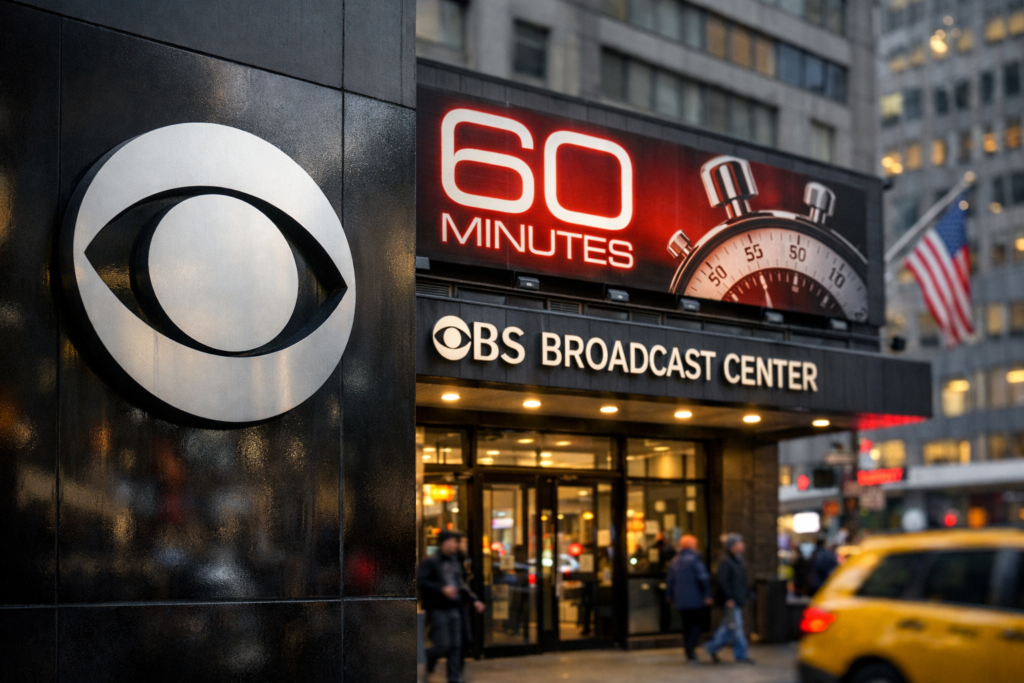
CBS News has postponed a 60 Minutes investigative report, leading to internal criticism and debate over editorial independence.
New York — CBS News has postponed the broadcast of a highly anticipated “60 Minutes” investigative report, a decision that has triggered internal criticism and renewed debate over editorial independence at one of America’s most respected news programs.
The segment, which focused on conditions inside El Salvador’s CECOT mega-prison, was removed from the broadcast schedule shortly before it was due to air. The prison has been central to discussions around deportations of alleged gang members under policies associated with former U.S. President Donald Trump.
CBS Cites Need for Additional Reporting
In a statement, CBS News said the decision to delay the segment was made because additional reporting was required. The network said the story would be aired at a later date once further work was completed.
However, the explanation has been challenged by members of the 60 Minutes team involved in the report.
Correspondent Pushes Back
60 Minutes correspondent Sharyn Alfonsi, who worked on the investigation, publicly questioned the decision. According to messages cited by U.S. media outlets, Alfonsi said the report had already passed editorial, legal, and fact-checking reviews, and argued that the delay appeared unrelated to journalistic standards.
She also expressed concern that allowing officials’ refusal to comment to affect publication could set a troubling precedent for investigative journalism.
Internal Tensions at ‘60 Minutes’
The move has reportedly caused unrest inside the 60 Minutes newsroom, with some staff members expressing fears that the decision undermines the program’s long-standing reputation for independent and hard-hitting reporting.
Media analysts note that 60 Minutes has historically aired controversial investigations even when government officials declined to participate, making the last-minute postponement unusual.
Broader Questions About Editorial Independence
The incident has fueled broader discussions within the U.S. media industry about the balance between editorial caution and journalistic independence, especially during politically sensitive periods.
60 Minutes, which has aired for more than five decades, is widely regarded as a benchmark for investigative television journalism. Any perceived shift in its editorial approach is closely watched by both media professionals and the public.
What Happens Next
CBS News has said the report will eventually air, though no new broadcast date has been announced. Until then, the controversy continues to raise questions about newsroom decision-making and the pressures faced by major news organisations.
About The Author